Daniel Cormier put it plainly on Friday when he promoted his new episode with Kayla Harrison. “There’s a lot of history with these two women,” he wrote on X, a few lines after billing her fight with Amanda Nunes as “what will be the greatest women’s fight of all time.” He called Harrison “the Champion,” capital C. He’d taped the conversation to go out live at 6 PM Eastern, and the history was one of the things they talked about.
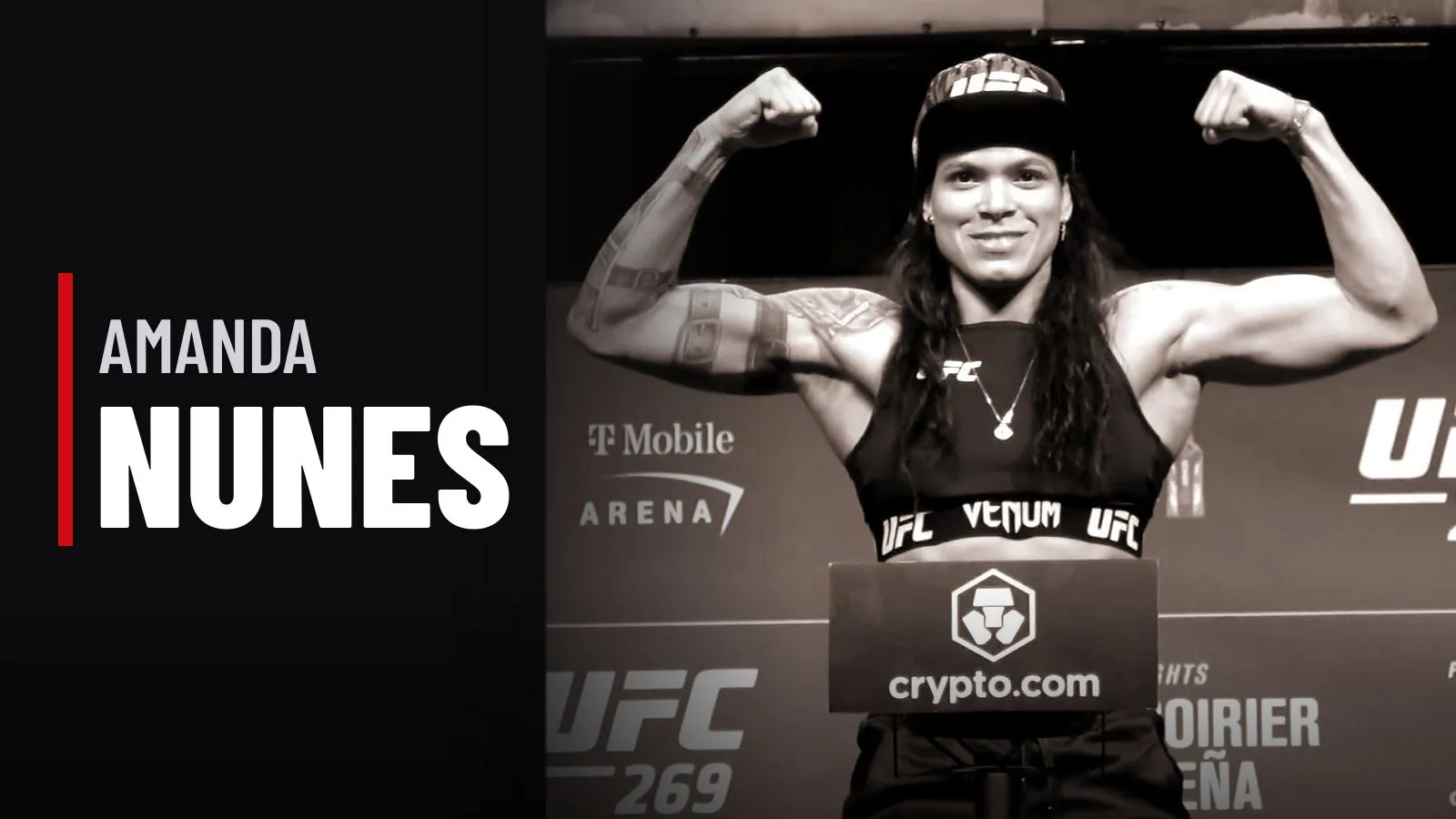
That same day, NDTV Sports reported that Nunes had explained why her relationship with Harrison turned sour ahead of her UFC 334 comeback fight. CBS Sports carried her vow to reclaim her throne and keep fighting until her body quits, summed up in four words: “I’m here to stay.”
I’m going to leave the play-by-play of the grievance to the reporting, because the specific slights matter less to me than the shape of the thing. Two women who had history, the kind of history Cormier felt he had to flag before anything else, are now each other’s biggest obstacle and biggest paycheck. That’s the shape. I think it’s the predictable result of how elite MMA training now works, and I think we should stop pretending it surprises us every time.
View post on X
The mat used to be a different kind of place
A training room runs on a strange trust. You let someone see you exhausted. You let them find the holes in your guard on a Tuesday so nobody finds them on a Saturday. Partners learn each other’s habits the way roommates learn which stair creaks. That knowledge is intimate, and for a long time it was safe, because the room was full of people whose careers ran parallel and rarely collided.
The modern super-gym breaks that arrangement. It gathers champions and contenders under one roof because concentrated talent sells, and because the best way to get great is to be surrounded by people who are almost as great as you. The math works beautifully right up until two of those people share a weight class and a title picture. Then every round of sparring stops being a gift and turns into surveillance. Every rest day becomes a question about who’s watching your film.
When the reward at the top is a legacy you can sell (a belt, a pay-per-view slot, the right to call yourself the greatest), the room can’t stay neutral. Somebody has to want it more than they want the friendship. Cormier’s “greatest women’s fight of all time” line is a compliment to both of them, and it’s also the exact sentence that guarantees neither one could afford to keep things warm. You don’t get to hold that kind of fight with a hug.
The counterargument, and why it doesn’t hold
The best case against me goes like this: friendships end for ordinary reasons, fighters are adults who chose a combat sport, and two people falling out says more about them than about any gym system. Fair. People drift. People say the wrong thing at the wrong time.
But the ordinary reasons are my point. In a normal workplace, a careless comment or a perceived betrayal fades because nothing big rides on it. In a gym built to produce champions, every small slight gets weighed against the biggest money either person will ever see. The system takes the normal friction of human beings and attaches a price tag to it. Of course it curdles.
What the fight becomes
Look at where each woman stands. Harrison walks in as the champion, the one Cormier sat down with. Nunes walks in on a comeback, talking about reclaiming her throne and staying until her body gives out. Neither of those is the posture of someone protecting an old bond. Both are the posture of someone protecting a legacy, and I don’t blame either of them for it. Legacy is what the sport pays for.
What I mourn is the version of the training room where a fight like this would have been unthinkable, where the people who saw you at your worst were the last people you’d ever have to hit. The best coaches I’ve covered talk about the gym as a family and mean it literally. The business model of the super-gym asks that family to stock itself with rivals and then act shocked when the rivals behave like rivals.
So when Nunes and Harrison finally touch gloves at UFC 334, I’ll be watching for the moments that only history can produce: a feint one of them has seen a hundred times, a scramble that ends with both of them already knowing the escape. Those will be the tells of a friendship. The fight itself will be the bill for it, and Nunes has already told CBS Sports she intends to keep paying it for as long as her body lets her.